
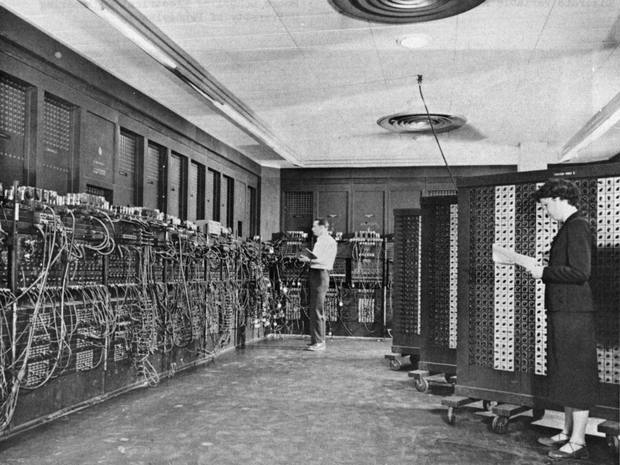


Much of modern life is organised around separate places to learn, work, live and gather. Each serves a purpose, but together they shape how we spend our days and experience the world.
Environment Partnerships
What if the places we inhabit could change who we become?
Saram works with existing learning environments to bring more of life within reach, opening possibilities we might never discover alone.
The world has changed. Have the places around us?
The ways we learn, work and connect are changing faster than the places built to support them. Technology has expanded what we can do, but our physical environments have not always evolved alongside us.
More access does not necessarily mean more possibility.
We can reach information, people and ideas almost instantly. But meaningful experiences, relationships and opportunities still depend on the conditions around us.
We become who we are through more than what we learn. Through the people we meet, the things we attempt, the care we give our bodies, the moments we rest, and the experiences that change how we see the world.
These parts of life shape one another. Yet the places we inhabit often keep them apart.
What if our environments could grow with us?
Development happens across many parts of life. The places around us help decide which of them are within reach.
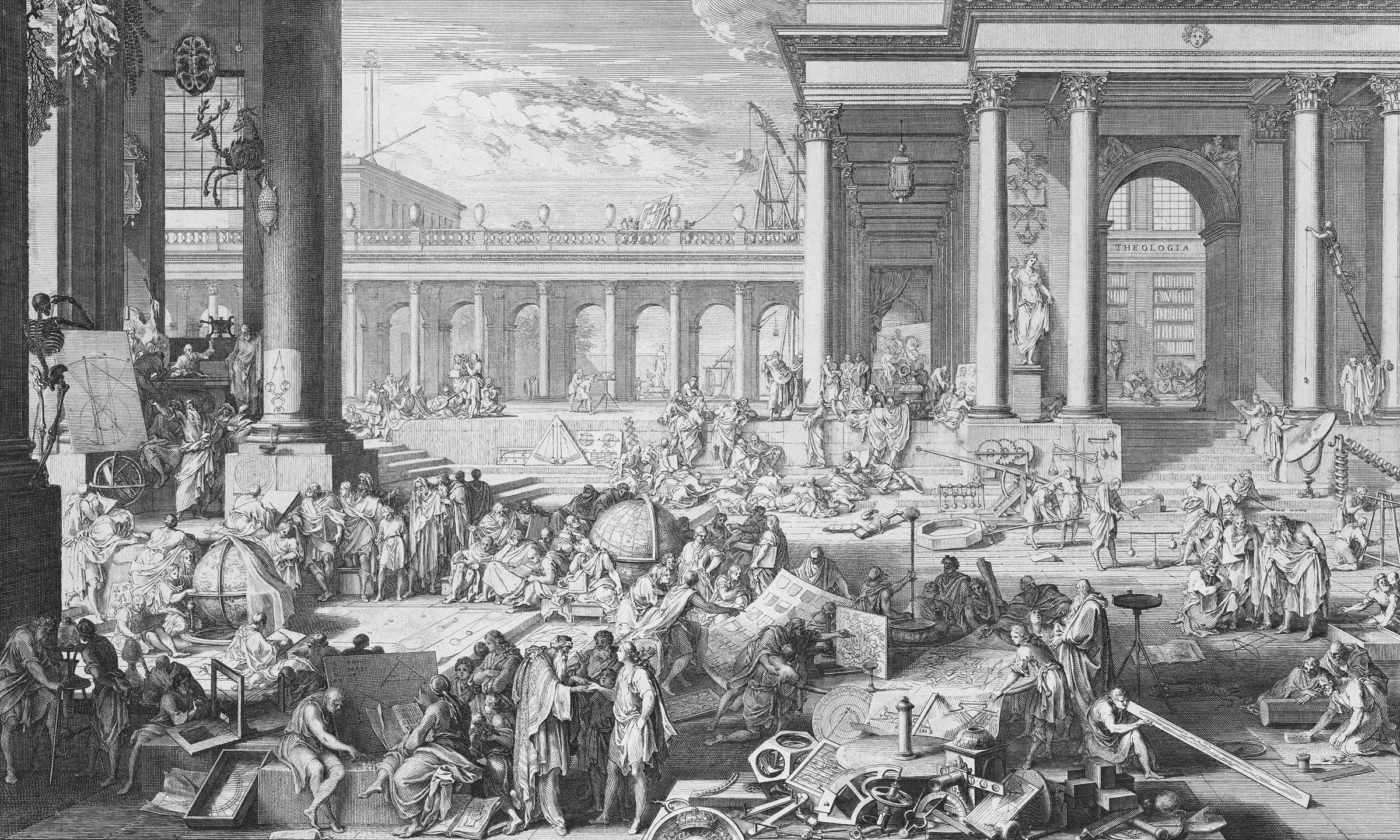
One environment. More of life within reach.
The most remarkable places bring different people, ideas and experiences into contact. What becomes possible between them matters as much as what happens within them.
01 / Explore
The world invites curiosity.
Curiosity begins when we encounter something beyond what we already know. A question, an unfamiliar idea, a person with a different perspective.
People pass through places.
But what remains?
What if a place could remember?
People move through it. Experiences unfold. The environment learns what matters.
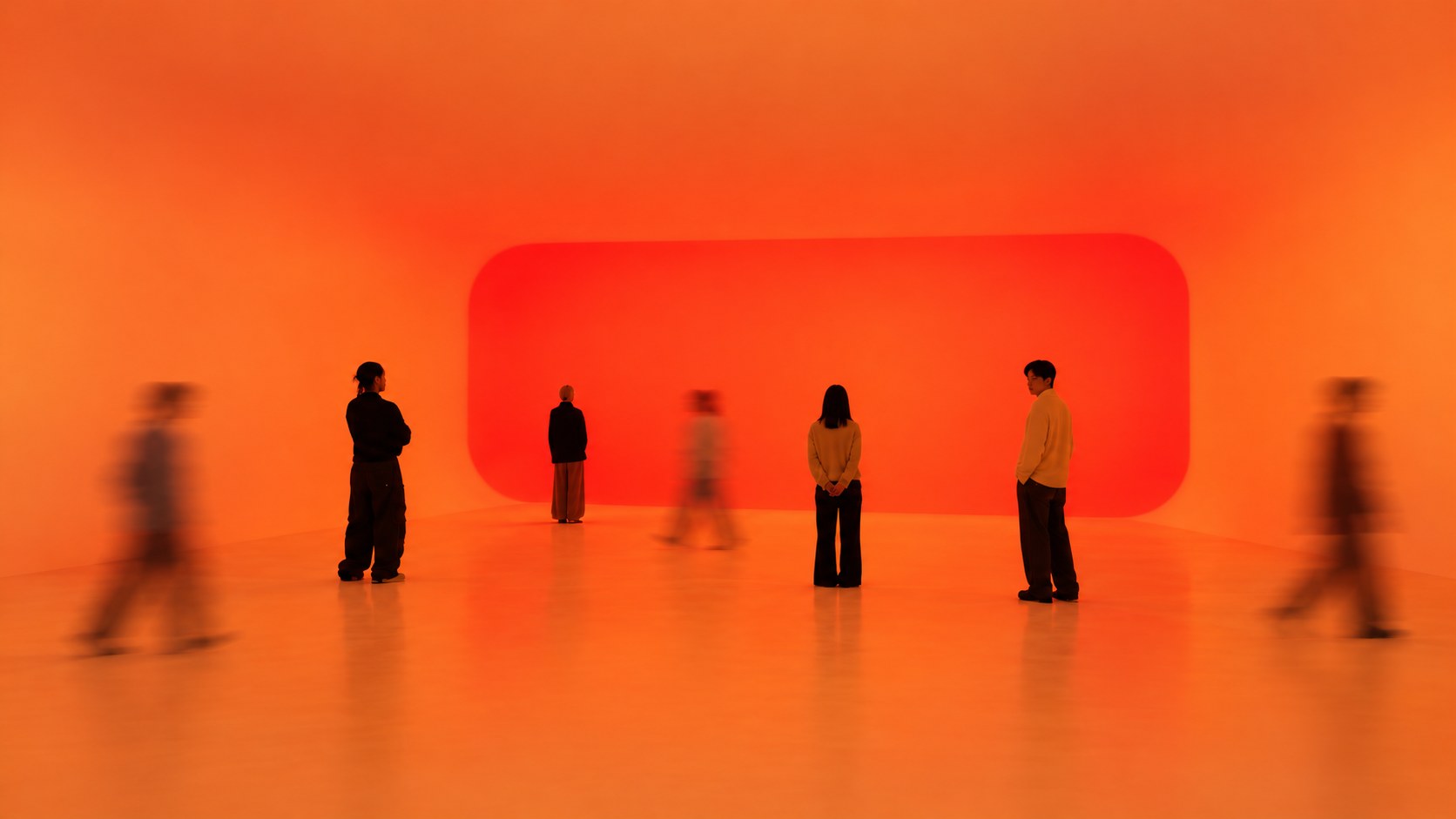
What happens matters. What we remember changes what happens next.
Most places remember what happened. Far fewer understand why it mattered.
A place that remembers can begin to recognise changing needs, meaningful experiences and opportunities to do better.
What places remember
Who came, what happened and when. The individual moments that make up a day.
What they could understand
What people valued, how relationships developed, what needs emerged and how the experience could improve.
A place that remembers can become a place that understands.
What if a place could offer more than one way to grow?
Learning is where we begin. But people develop through far more than formal education.
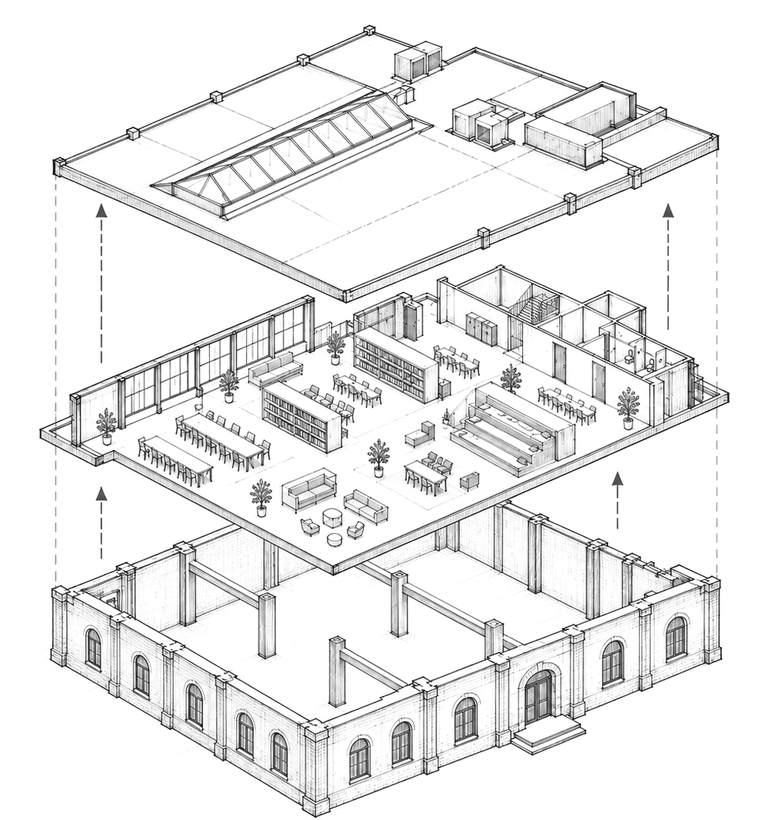
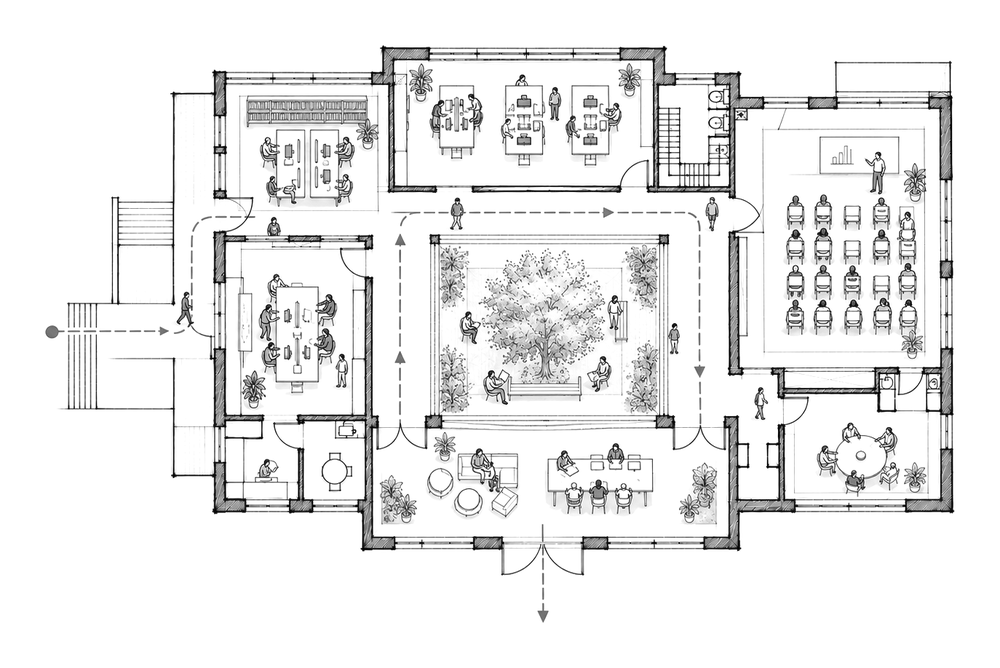
Saram explores how education, work, wellbeing and everyday life can come together in environments that give people more ways to participate, discover and shape their own lives. Saram’s route is selected academy partnerships: starting with operations, services, family experience and software, and changing physical space only where it is useful.
Illustrative long-term concept, not a standard package. Renovation is not required.
The Saram environment
Different parts of life.
One environment for becoming.
Learning, work, movement and wellbeing, brought together in places designed to respond, remember and improve.
How Saram works
Every academy can become more capable.
We begin with what already exists, understand what’s working and identify what is worth changing. The architectural concepts are possibilities, not a standard package.
Diagnose. Build. Run.
01 / Diagnose
Understand what exists.
Examine operations, demand, performance and untapped potential.
Outcome
A clear baseline and prioritised opportunities.
02 / Build
Make the changes that matter.
Improve systems, services, experiences and spaces where appropriate.
Outcome
Practical improvements designed around the business.
03 / Run
Keep getting better.
Support operations, evaluate results and refine what works.
Outcome
Ongoing improvement informed by evidence.
Diagnose, Build and Run describe how Saram approaches improvement, not three packages to buy. Each partnership is designed individually, and Saram OS is also available on its own through a Saram OS Partnership.
One floor / One day
The same floor, hour by hour.
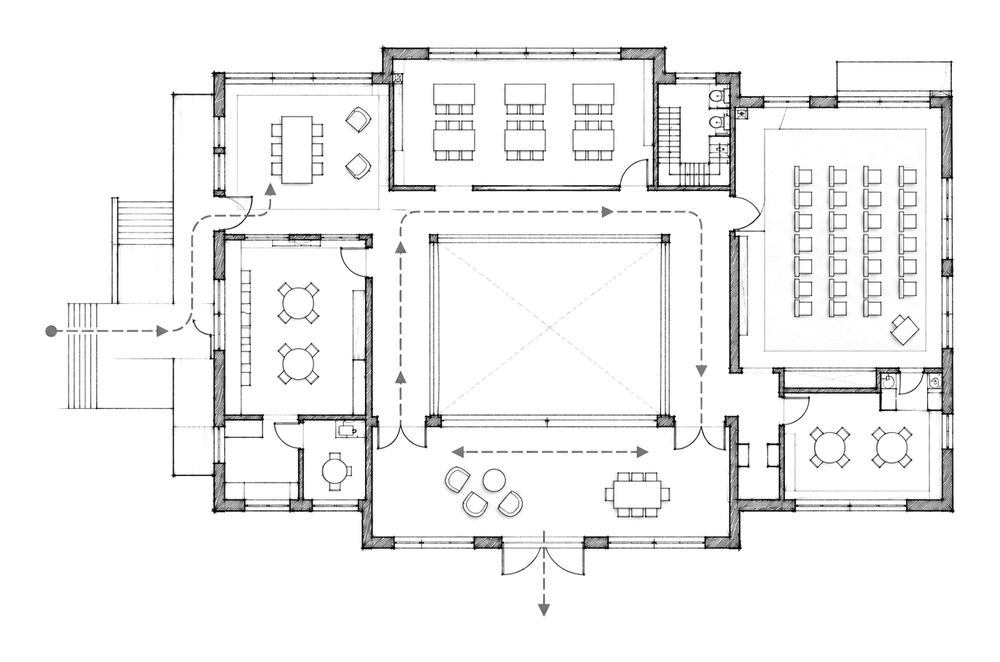
The lease runs all day. The opportunity lies in what else the space could support before and after its existing classes.
Illustrative utilisation. Potential hours of use, not a forecast or result.
13.0 Hours the floor is in use across the day
6.5 Hours it earns today
School classes
The timetable as it runs today.
Adults and families
Classes, testing and one-to-one before school ends.
Open work
Desks and booths for people the academy doesn’t teach.
Events and hire
Showcases, training and evening hire.
Hours
Today
As it runs today
6.5h
With new usesroom by room
Front room
12.5h
Open floor
12h
Focus booths
13h
Teaching rooms
10.5h
Consultation rooms
8h
Assembly room
5h
Time of day
Six spaces, four modes, one lease
None of it is assumed: each mode is tested in Diagnose first.
Handover
Where the line sits
Three parties, each with a clear role, written into the agreement before work starts.
-
Writes and measuresSaram
Saram
Saram leads the strategy, not the regulated workSaram can shape the spatial strategy and design direction with architects and designers. Regulated architectural work, construction drawings and building work stay with licensed professionals.
- Writes the brief
- Works with architects and designers on the direction
- Coordinates within the agreed scope
- Returns to measure what changed
-
Owns and decidesThe academy
The academy, as operator
The academy holds the contractsIt hires the designer and contractors directly, on separate fees.
- Approves the brief and budget
- Keeps every regulated decision
- Retains responsibility for the academy and its operating decisions
-
Designs and buildsLicensed designers and contractors
Licensed designers and contractors
Licences come before drawingsFood, occupancy and fire rules are settled first, so the design fits what the site can be licensed for.
- Spatial concept and drawings
- Construction and building services
- Permits and regulated professional work
Agreed before work begins.
Some of it is visible to families the week it lands.
Most academies are hard to read from outside, slow to answer and quiet between terms. Three illustrative examples, each carrying the academy’s own identity.
01 / Site
Somewhere for a family to look.
Levels and fees
What each level can do, and what it costs.
- L3 Reads a short story and retells the plot aloud. 3× a week · ₩280,000 / month
- L4 Reads a chapter book and summarises it in a paragraph. 3× a week · ₩320,000 / month
- L4 → L5L5 bridge course: starts next month
- L5 Bridge Reads longer texts and argues a view with evidence. 3× a week · ₩360,000 / month
02 / Channel
An answer that arrives before the morning.
The channel confirms consultations, sends monthly reports and answers after hours, leaving the owner the conversations that need a person.
Kakao channel · Auto-confirm · Monthly reports
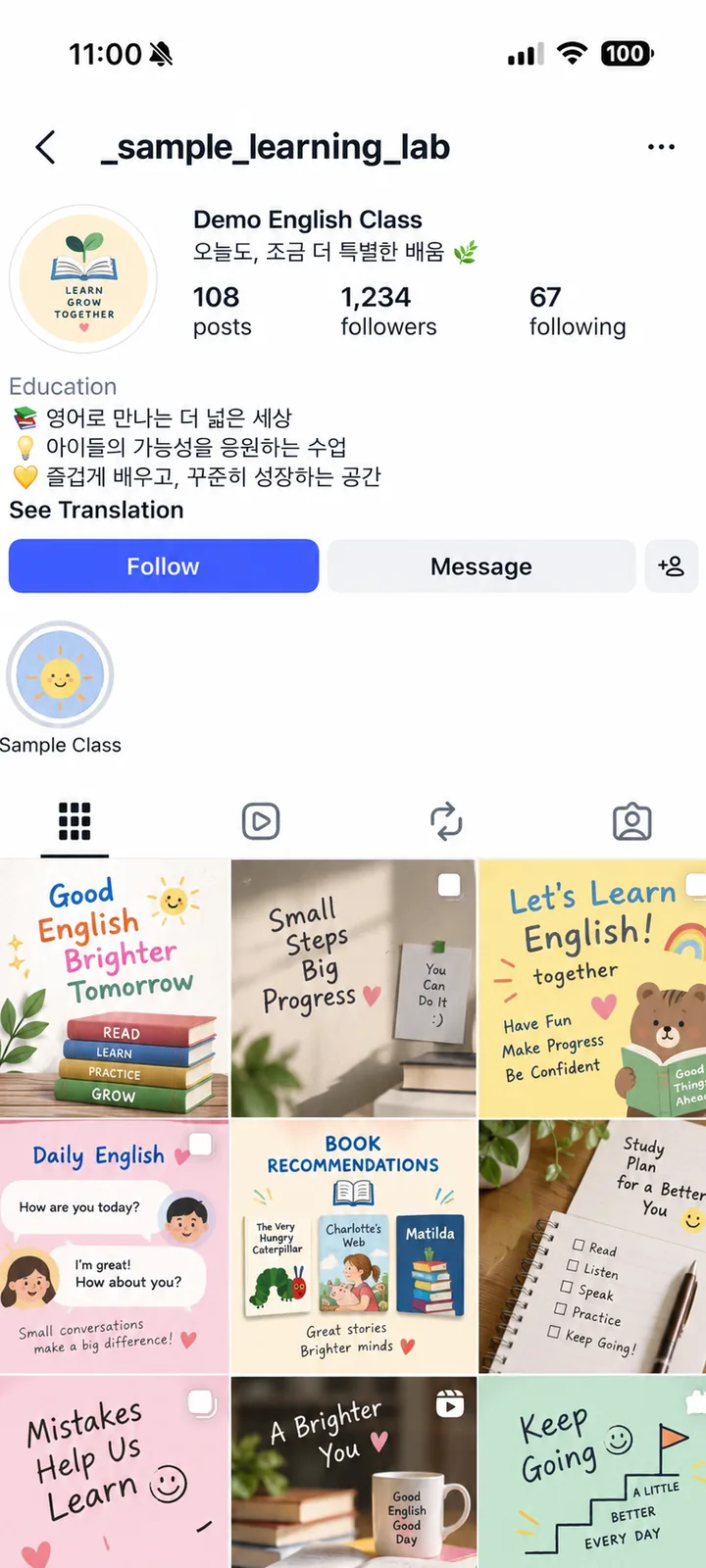
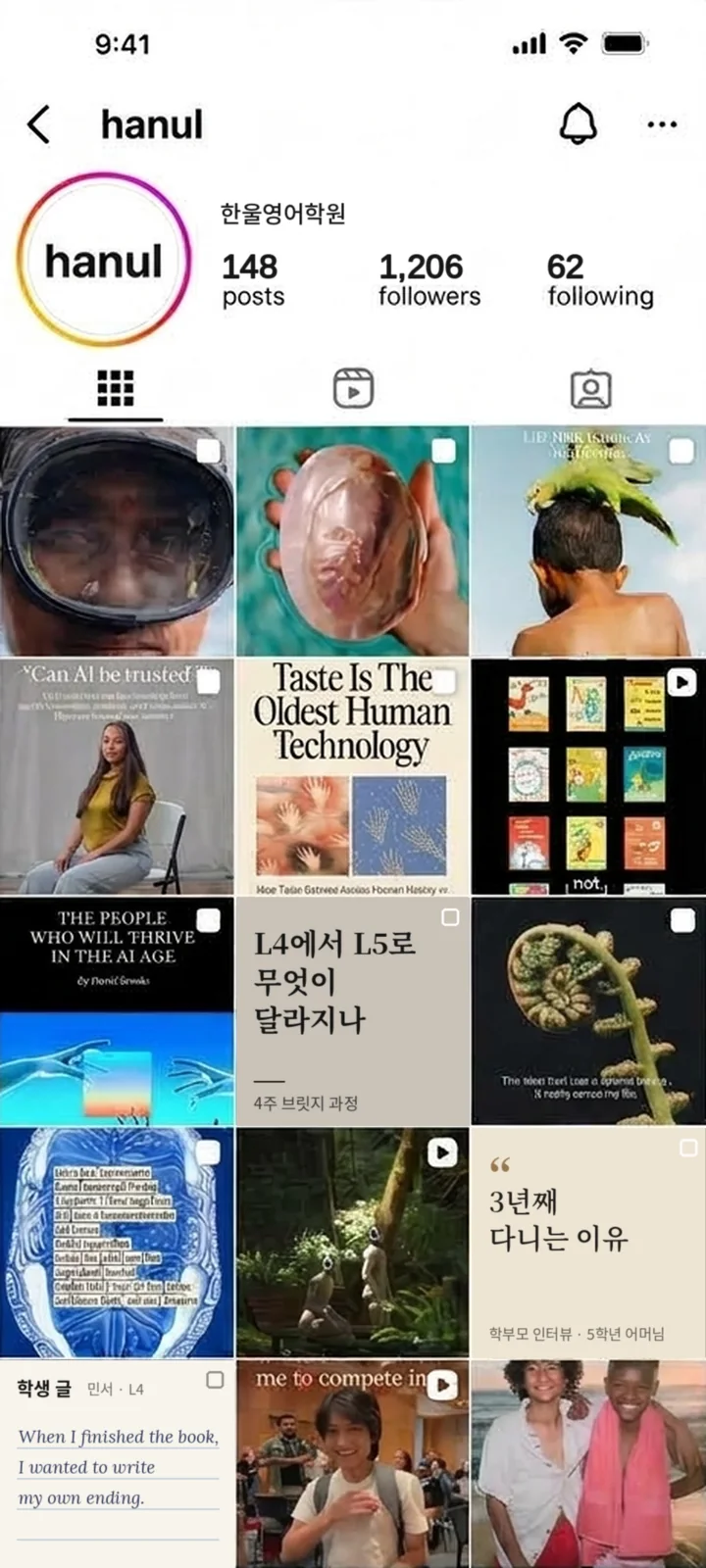
03 / Feed
Something to say between terms.
A feed earns its place when it carries what the academy actually does: what changes at a level transition, a piece of student writing, a parent saying why they stayed. That is harder to produce and impossible to copy. Saram produces it with the academy.
Content plan · Transition posts · Parent interviews
An environment cannot learn from what it forgets.
Every academy generates experience: a lesson that worked unusually well, a timetable change, a student who responded differently.
Usually these moments disappear. At best they remain in somebody’s memory.
The aim is not to collect more information. It is to help an operator understand what is happening, decide which changes are worth making, and tell afterwards whether they worked.
- The environment
- The rooms, people and hours where learning and everyday experience happen.
- The operating model
- How the academy coordinates its classes, services, staff and families.
- Saram OS
- The technology that runs that coordination and keeps the context worth keeping: who attended, what was taught, what families were told, what changed.
- Available
- Operations. Saram OS handles the daily work of an academy: classes, attendance, lesson reports and family communication, with billing built and progress reporting in development. Each record stays connected to the person and the moment, so context survives a change of term, teacher or system.
- Planned
- Business intelligence. Bringing those records together so an operator can see revenue, retention, demand and capacity in one place, and judge whether a change worked. Not yet available.
- Longer term
- Operating intelligence. Helping a place notice patterns, contradictions and better questions about how it is used. A research direction, not a feature, designed to support people’s decisions rather than make them.
Saram OS can be used on its own through a Saram OS Partnership. Within an Environment Partnership, how it is provided and supported is agreed individually.
- World signalsA parent enquires at 21:04
- Environment respondsConsultation confirmed, 21:04
- Experience becomes evidence18/18 attendance · writing samples
- Environment remembers민서’s L4 record carries forward
- Better questionsIs she ready for L5?
- Environment improvesThe L5 bridge course opens
One family’s term, illustrated. Teachers ask the questions, using what the record holds.
A few things people usually ask.
What does Saram do, and what does it not do?
Saram works with selected academies to understand how they operate, implement agreed improvements to operations, services, technology, communication and, where useful, the physical environment, and can stay involved in agreed parts of day-to-day operations. Saram OS is also available on its own. Where the space changes, Saram can lead the environmental strategy alongside architects and designers; regulated architectural work and construction are carried out by appropriately licensed professionals.
Does every academy need a new space?
No. Many of the most useful changes are to how time, people, communication and existing rooms are used. The environments shown on this page are a long-term direction, not a requirement. Physical change is recommended only where the evidence supports it.
Could we do this ourselves?
Parts of it, certainly. An outside view helps only when it is tested against evidence.
How disruptive is it?
Diagnose observes the academy as it normally runs, so classes continue as usual. Time on site is arranged with you in advance. In Build, the timing of any change that affects rooms or daily routines is agreed before work begins.
What if we disagree with the findings?
Then the evidence is revisited. A conclusion is only useful if its reasoning holds.
Who is this work best suited to?
Established academies with enough operating history to examine and an owner willing to share data. Every partnership is agreed individually, and Saram OS Partnerships are considered for academies of any size.
What happens to our data?
Saram uses only the information each stage needs, aggregated or pseudonymised where possible. How data is accessed and handled is set out in the terms agreed with each partner.
What happens in a first conversation?
Usually twenty to thirty minutes on what has been changing in the academy, what you want to understand and who makes the decisions. It helps both sides judge whether a next step makes sense. It is a conversation, not a diagnosis.
Start with what the academy already has.
The first step is a conversation about what has been changing, and whether an Environment Partnership or a Saram OS Partnership makes sense.
Start a conversation